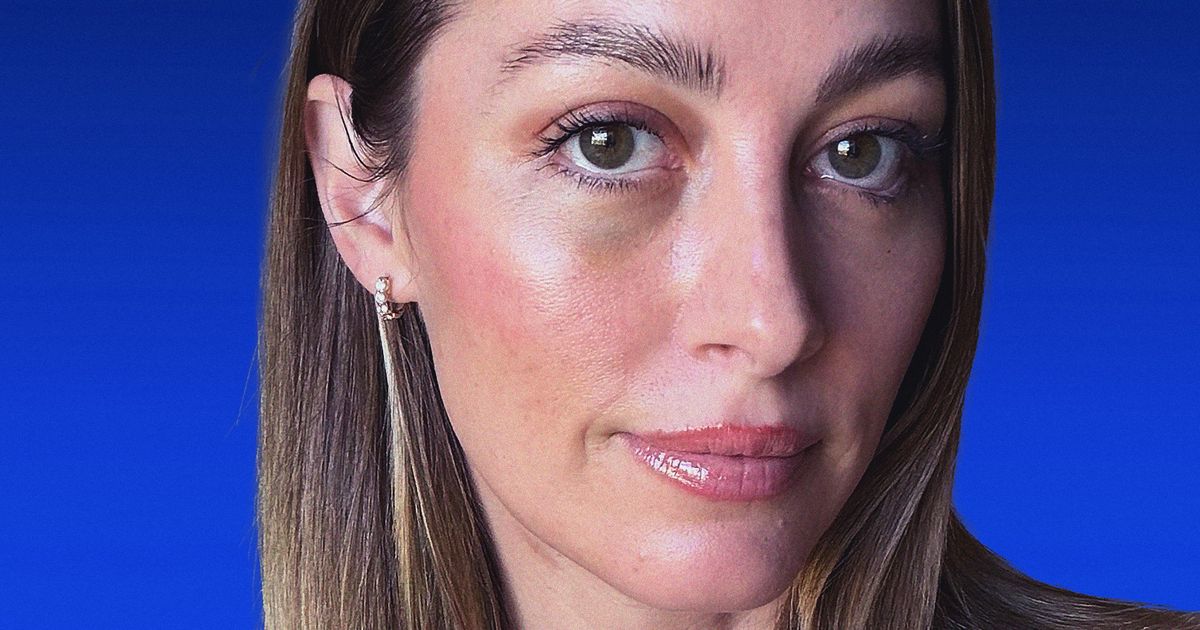
Let’s be real: at least once, you’ve stared at your reflection and thought, “Why do I look so tired?” It’s not the number of hours you spent bingeing your latest obsession on Netflix. It’s those pesky eyelids, drooping just enough to whisper, “You haven’t slept since 2012.” It starts innocently — a Google search for ‘getting a blepharoplasty’ — and suddenly, you’re knee-deep in before-and-after shots, thinking, “Maybe this is my answer.” But let me stop you Right there.
Before you book that consult, grab a mirror and keep reading. Because blepharoplasty might not be your magic wand, and trust me, you don’t want to learn this the hard way.
Why Getting a Blepharoplasty Is Getting So Much Attention Right Now
Blepharoplasty — or eyelid surgery — isn’t new, but its popularity has skyrocketed thanks to social media. According to the American Society of Plastic Surgeons, eyelid surgery saw a 14% increase in demand last year alone. TikTokers are dissecting their post-op journeys, while celebrities casually drop their ‘refresh’ surgeries during podcasts, sparking waves of curiosity. Add to that the rise of Zoom fatigue — that hyper-awareness of your own face — and suddenly, blepharoplasty feels like the solution to looking vibrant, even if your soul feels like a wet paper towel.
But here’s the twist: the cultural fixation on ‘fixing’ tired eyes might actually be missing the point. According to Dr. Sarah Epstein, a New York-based dermatologist, drooping eyelids aren’t always the villain. “A lot of patients come in wanting surgery when what they need is lifestyle adjustments or non-invasive treatments,” she says. Translation? You might be chasing a surgical fix for a problem that isn’t purely physical.
The Real Perk of NOT Getting Surgery — What Most People Miss
Here’s the truth bomb: the most dramatic way to look younger isn’t a scalpel — it’s confidence. That elusive energy that makes you stand taller, laugh louder, and turn heads without batting an eye. Studies published in the Journal of Cosmetic Dermatology suggest that when people focus on self-perception rather than chasing perfection, their attractiveness ratings increase. Why? Because confidence is magnetic.
So, before you schedule that procedure, try this instead: upgrade your skincare game. Products with retinol or peptides can work wonders for tightening skin around your eyes. And don’t sleep on SPF — sun damage is one of the sneakiest culprits behind premature aging. Start with small, tangible steps like these, and you might find yourself loving your reflection without the surgical drama.
How to Actually Love Your Eyes Without Surgery
- Hydrate like it’s your job: Puffy, tired-looking eyes often stem from dehydration. Keep a water bottle handy and aim for eight glasses a day.
- Invest in a proper eye cream: Look for ingredients like caffeine (to depuff) and hyaluronic acid (to hydrate). Brands like The Ordinary have affordable, high-impact options.
- Try facial massages: Use a jade roller or simply your fingers to gently massage your Under-eye area. It’s surprisingly effective for reducing puffiness and boosting circulation.
- Sleep smarter: Elevate your pillow slightly. This helps prevent fluid from pooling under your eyes overnight.
- Consider therapy: If your self-image is causing stress, BetterHelp platforms like BetterHelp can help you tackle those insecurities head-on.
The Mistake That Holds Most People Back
Here’s the trap: thinking surgery will fix how you feel. Most people see blepharoplasty as the ultimate shortcut to self-love — but when you’re chasing external validation, the results are temporary at best. Dr. Epstein warns that cosmetic surgery often becomes addictive because people don’t address the root of their dissatisfaction. “They’re chasing an ideal that doesn’t exist,” she explains, “and the bar keeps moving.”
The hard truth? Surgery can tweak your look, but it can’t tweak your mindset. If your self-esteem is hanging by a thread, no scalpel in the world can keep it together. That’s where inner work, and sometimes therapy, steps in to save the day.
Here’s What Experts Actually Show About Blepharoplasty
Research conducted by the American Society of Plastic Surgeons reveals that while blepharoplasty can improve physical appearance, satisfaction levels depend heavily on pre-surgery mindset. A meta-analysis of 15 studies found that patients with high self-esteem and realistic expectations were far happier post-op than those chasing perfection. Another study from the Journal of Aesthetic Surgery highlighted that 40% of patients felt underwhelmed with their results, citing emotional disconnects rather than technical failings.
Bottom line? Surgery won’t solve deeper emotional struggles — and experts agree it’s not the cure-all people hope it is.
So before you let TikTok convince you that surgery is the answer, ask yourself: what’s really driving the urge?
Here’s the thing about your face: it’s uniquely yours. Those eyelids that droop just a little? They tell the story of your late nights, your laughter, your tears, and maybe even your stubborn refusal to drink enough water. Embrace them. Because when you learn to love what makes you you, no algorithm or aesthetic trend can shake your glow.