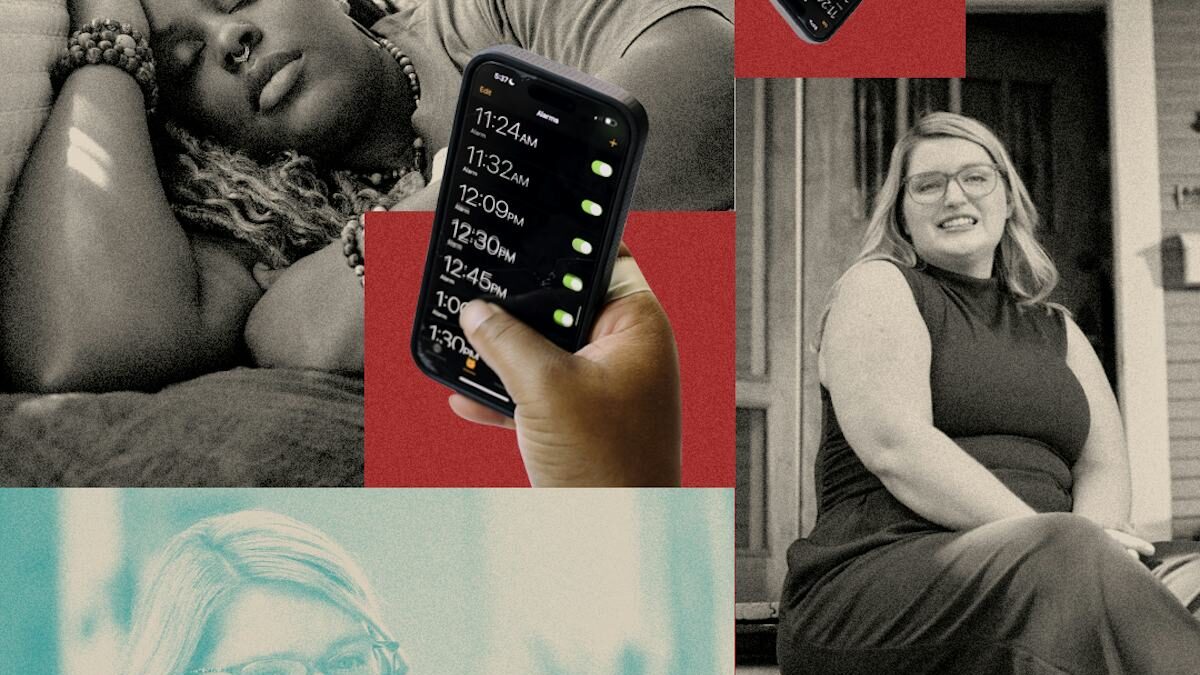
Ever find yourself texting someone who swears they’re ‘just not ready for a relationship’ — again? Or convincing yourself that the person you’re seeing will ‘come around’ eventually, even though their actions scream otherwise? If Dating emotionally unavailable people feels like your love life’s Groundhog Day, you’re not alone. And spoiler alert: it’s not just bad luck.
Turns out, there are real psychological and cultural reasons why so many people fall into this exhausting cycle — and how you can finally break free from it.
Why Dating Emotionally Unavailable People Is Getting So Much Attention Right Now
According to a 2023 research study from the Gottman Institute, emotional unavailability has become a top reason relationships fizzle out. What’s fueling this? Experts say it’s a mix of modern dating culture and deep-rooted attachment patterns. Apps make it easier than ever to ‘ghost’ or breadcrumb someone with little accountability, while many people’s own insecurities lead them to chase partners who aren’t capable of reciprocating.
And let’s be real: TikTok isn’t helping. The hashtag #emotionallyunavailable has racked up over 500 million views, with viral videos dissecting everything from avoidant attachment styles to the infamous ‘hot and cold’ behavior. If you’ve been binge-watching those clips while wondering, ‘Am I the problem?’—you’re not alone.
The Hidden Upside — What Most People Miss
Here’s the wildest part: dating emotionally unavailable people can actually teach you something transformative. According to licensed therapist Dr. Stefanie Carson, these experiences often highlight your own blind spots in emotional boundaries. ‘People tend to blame their partner for being distant,’ she says, ‘but it’s also an opportunity to ask yourself, ‘Why am I tolerating this?”
One actionable tip: the next time someone shows Signs of unavailability—like avoiding deep conversations or refusing to define the relationship—pause and ask yourself if you’re ignoring red flags because you think they’ll change. Spoiler: they won’t.
How to Actually Break the Cycle
- Identify your triggers: Reflect on what draws you to emotionally unavailable people. Is it their mystery? Their confidence? Knowing this can help you spot patterns.
- Set micro-boundaries: For example, if someone says they ‘don’t want anything serious,’ take them at their word—don’t try to ‘convince’ them otherwise.
- Prioritize emotional availability: On dating apps, pay attention to profiles that highlight openness or vulnerability. Swipe left on those who seem overly detached.
- Consider therapy: BetterHelp offers accessible online sessions that can help you untangle attachment issues and build healthier dating habits.
- Focus on self-worth: Engage in activities that boost your self-esteem outside of dating, whether it’s hitting the gym, starting a new hobby, or spending time with friends who uplift you.
The Mistake That Holds Most People Back
The biggest trap? Thinking you can ‘fix’ someone. Most people who date emotionally unavailable partners believe their love can change them. But here’s the hard truth: emotional availability comes from within, not from external validation. Licensed psychologist Dr. Amy Patel warns, ‘Trying to repair someone else’s emotional wounds often distracts you from addressing your own.’
Instead, focus on recognizing when a partner’s behavior consistently crosses your boundaries—and learn to walk away before you’re emotionally drained.
Here’s What the Experts Actually Say
Research from the Journal of Social and Clinical Psychology reveals that people who chronically date emotionally unavailable partners often share one trait: they’re more likely to have anxious attachment styles. Anxious attachers crave closeness but fear rejection, making them especially drawn to partners who send mixed signals. Meanwhile, the Gottman Institute’s study found that communication skills—like verbalizing needs—are key to breaking this cycle. Simply put, it’s about knowing when to say, ‘This isn’t working for me.’
The Closing Truth
If you’re tired of chasing people who can’t meet you halfway, it’s time to flip the script—and the first step is recognizing that the problem isn’t you, it’s the pattern. Emotional availability isn’t just something you hope to find in someone else; it’s something you demand for yourself. So, next time you spot red flags, ask yourself: ‘Am I choosing growth, or am I choosing comfort?’ The answer might just change your love life for good.