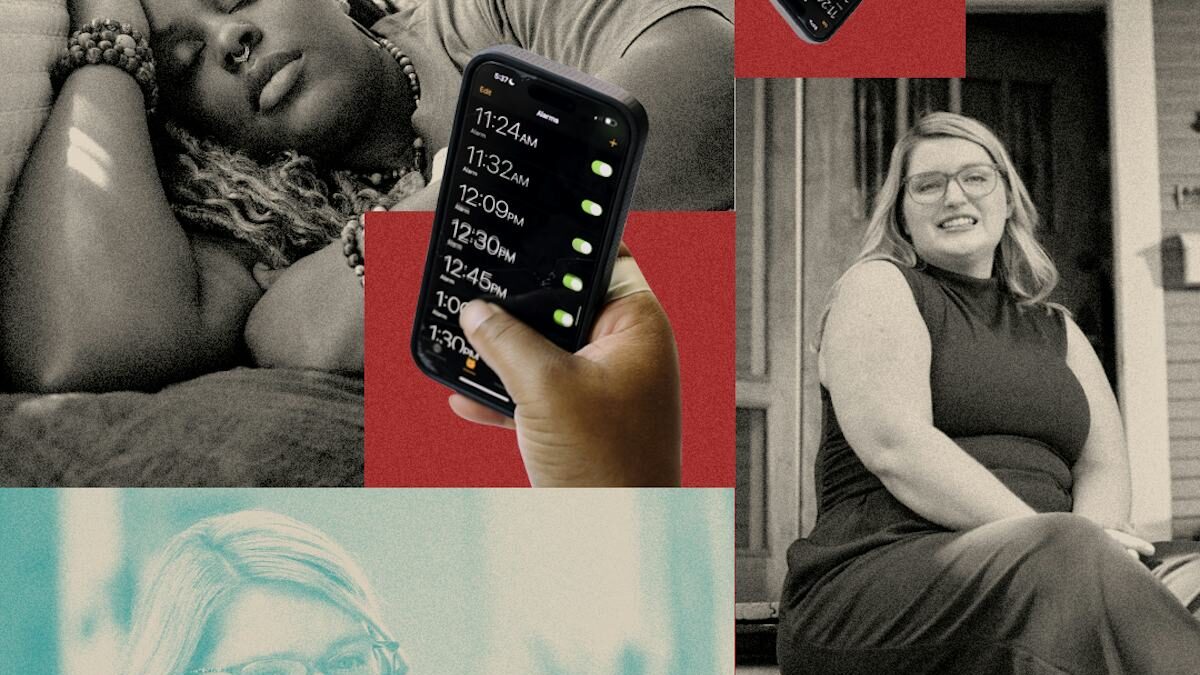
You know the feeling. Your alarm goes off, and instead of waking up ready to conquer the day, you hit snooze three times, scroll TikTok for an hour, and somehow end up trapped in a mindless mental loop. You promise yourself you’ll do better tomorrow—but tomorrow comes, and it’s the same story. If you’ve ever caught yourself thinking, “How do I get my life back on track?”—you’re not alone.
Here’s the thing: life doesn’t spiral out of control in one big, dramatic moment. It’s a slow drip—a missed deadline here, a skipped workout there, a few “I’ll deal with it later” decisions—and suddenly you’re knee-deep in chaos, wondering how you even got here in the first place.
Why Getting Back on Track Is Getting So Much Attention Right Now
According to a 2023 study from the American Psychological Association, more than 70% of adults reported feeling overwhelmed by stress at least once a week. And it’s not just the big things—pandemic trauma, job insecurity, or relationship drama—it’s the small, everyday habits that pile up until you feel like you’re drowning. Social media only makes it worse, showing us highlight reels of people “thriving” while we’re stuck in survival mode.
Experts from BetterHelp say this sense of being “stuck” has skyrocketed in recent years, partly because we’re all juggling more than ever: work, relationships, mental health, physical health, and trying to keep up with trends (hello, ‘quiet luxury’ aesthetic). But the good news? There are proven ways to turn things around—fast.
The Energy Shift You’re Missing — What Most People Miss
When we Think about getting back on track, we tend to focus on big goals—getting a promotion, losing 20 pounds, finding our soulmate. But according to Dr. Lisa Feldman Barrett, a leading psychologist, the key to real change isn’t setting huge, intimidating goals. It’s creating “micro-momentum.” Small wins, like making your bed or drinking a glass of water first thing in the morning, send signals to your brain that you’re in control—and that feeling snowballs into bigger actions.
Here’s a tip you can try today: pick one single habit you can commit to for a week. Whether it’s journaling for five minutes before bed or finally opening that IPSY you’ve been ignoring (self-care counts!), give yourself one small win to build on. The goal isn’t perfection—it’s progress.
How to Actually Get Your Life Back on Track
- Set a “power hour”: Block off one hour a day to tackle tasks that have been weighing on you. No distractions, no multitasking—just pure focus.
- Declutter your space: Messy environments breed messy minds. Start with one drawer or one corner of your room and work your way out.
- Use tech strategically: Apps like BetterHelp make it easier to get support, whether you’re tackling mental health challenges or relationship roadblocks.
- Plan for tomorrow, today: Before bed, write down three things you’ll accomplish tomorrow. Keep it realistic—it’s about setting yourself up for success, not burnout.
- Celebrate wins: Did you send that overdue email or finally work out? Treat yourself to something small—a coffee, a face mask, or even a moment to breathe.
The Mistake That Holds Most People Back
Here’s the trap: trying to fix everything all at once. Most people dive into self-improvement like it’s a sprint—signing up for every class, buying every planner, and attempting to overhaul their entire routine overnight. But this “all or nothing” mindset almost always backfires. Why? Because it’s unsustainable.
As Dr. Brené Brown puts it, perfectionism isn’t a strategy—it’s a shield. When you aim for perfection, you’re setting yourself up to fail, which only reinforces the belief that you’re stuck. Instead, focus on doing something, not everything. Progress beats perfection every time.
Here’s What Experts Actually Say
Research from Harvard University shows that the brain thrives on consistency, not intensity. Small, regular habits—like keeping a gratitude journal or walking 10 minutes a day—can rewire your brain’s reward system, making positive changes feel natural instead of forced. And a meta-analysis of 98 studies found that people who focus on incremental changes are 42% more likely to stick with their goals long-term.
Meanwhile, lifestyle experts like Marie Kondo emphasize the importance of environment. “If it doesn’t spark joy, it’s holding you back.” Decluttering isn’t just physical—it’s emotional and mental. The space you live in directly impacts your motivation and energy levels.
For emotional support, platforms like BetterHelp offer accessible, affordable therapy options that can help you pinpoint underlying issues and start fresh. Whether it’s stress, anxiety, or relationship struggles, reaching out for help is the ultimate power move.
So, What’s Your Move?
The good news? You’re not stuck forever. Life doesn’t come with a rewind button, but it does come with endless opportunities to hit reset. The first step is simple: take action. Pick one habit, one space, or one task, and commit to it today. You’ve got this.
Ready to reclaim your story? Let us know the first step you’re taking—and remember, every small win is a big deal.