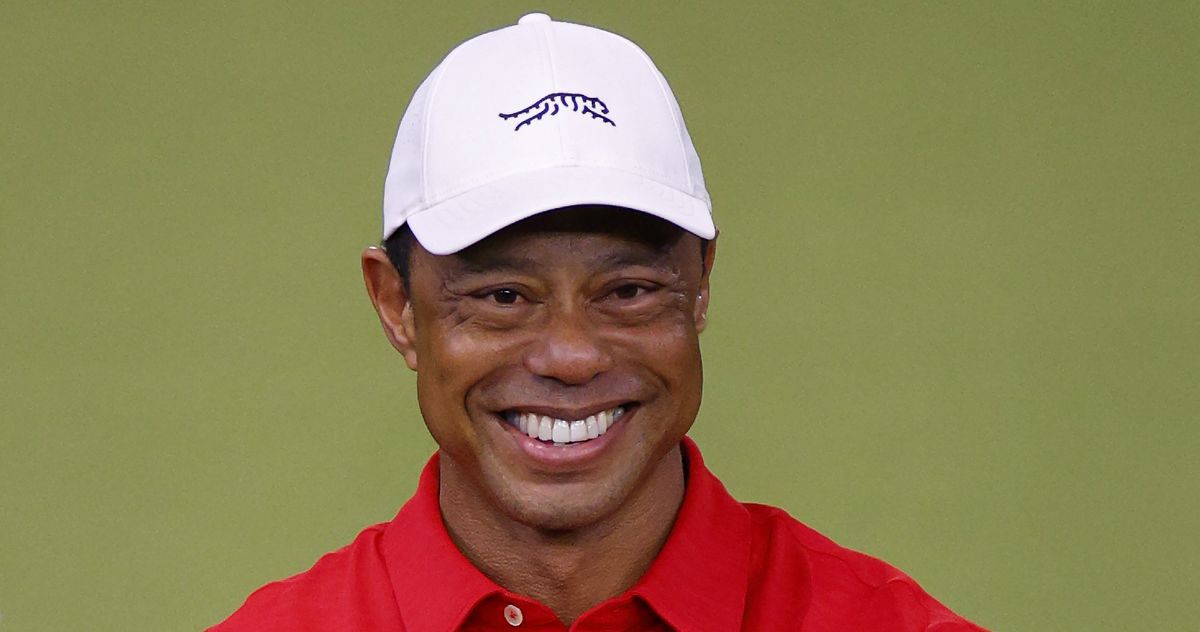
Ever found yourself making excuses for someone who clearly doesn’t deserve it? Picture this: You’re defending someone’s questionable choices, but deep down, you know those choices are a flashing neon red flag. Sound familiar? Tiger Woods’ recent DUI arrest After a rollover crash is the headline grabbing Everyone’s attention, but it’s also sparking a much-needed conversation about the toxic patterns we sometimes let slide in relationships.
Why Tiger Woods DUI Arrest Is Getting So Much Attention Right Now
Let’s be honest: Tiger Woods’ name has been synonymous with both triumph and scandal over the years. From his unparalleled golf career to his infamous cheating scandal in 2009, he’s been a walking contradiction of success and chaos. This latest DUI arrest feels like another chapter in a story we’ve seen too many times—someone who’s reached the top but still struggles to maintain control in other areas of life. According to a 2023 study by the University of Michigan, people often ignore red flags in relationships that mimic public scandals. The parallels? Ignoring erratic behavior because someone’s “greatness” overshadows it.
What Toxic Dating Patterns Can Teach Us — What Most People Miss
Here’s the kicker: Tiger’s story isn’t just about him; it’s about us. According to research from Psychology Today, people often fall into a trap called “halo effect dating.” It’s when we idealize someone for their accomplishments or charm and overlook glaring flaws. Tiger’s charisma and fame have often overshadowed his personal life’s chaos. Sound familiar? Maybe it’s the person who’s insanely successful at work but emotionally unavailable, or the one who’s charming at dinner parties but unreliable when it counts. The takeaway? Stop idolizing people for their surface-level greatness and pay attention to the deeper story they’re telling you through their actions.
Action tip: Take five minutes to write down the qualities you actually need in a partner (not the ones that just look good on paper). Compare that list to how your current relationship stacks up.
How to Actually Break Toxic Dating Patterns
- Start with honesty: Ask yourself if you’re ignoring someone’s behavior because of how they make you feel or because of their status.
- Use a reality check: Talk to a trusted friend who’s seen your relationship from the outside—often, they’ll spot issues you’ve been avoiding.
- Try professional help: Apps like BetterHelp can connect you to licensed therapists who specialize in relationship dynamics.
- Set boundaries: If someone’s behavior consistently crosses lines, don’t let their charm or achievements talk you into forgiving them.
- Focus on growth: Use this as a wake-up call to improve your own relationship habits—whether that’s being more assertive or learning to walk away.
The Mistake That Holds Most People Back
Let’s expose the biggest trap: Rationalizing bad behavior because “no one’s perfect.” Sure, no one is flawless, but there’s a huge difference between human mistakes and toxic patterns. Most people make excuses like “he’s just stressed” or “she didn’t mean it” because they fear being alone or starting over. But here’s the truth: Excusing someone else’s chaos doesn’t make it go away—it makes you complicit in it. Tiger’s story is a reminder that unchecked behavior often escalates when it’s not addressed. Don’t let your relationship become a cautionary tale.
Here’s What Experts Actually Say About Toxic Dating Patterns
According to Dr. Helen Fisher, a biological anthropologist and relationship expert, people are wired to overlook flaws in partners during the early stages of attraction because of a surge in dopamine. But when that initial high fades, the flaws we ignored come back to haunt us. A 2018 study published in the *Journal of Social and Personal Relationships* found that 68% of people in unhealthy relationships admitted they saw warning signs early but chose to ignore them. Translation: Those red flags you’re pretending aren’t there? They won’t disappear—they’ll just get louder.
Another insight: Dr. Fisher emphasizes the importance of emotional maturity in relationships. If someone’s behavior consistently undermines trust and stability, it’s not just a “quirk”—it’s a problem.
One Last Thought
If Tiger Woods’ DUI arrest teaches us anything, it’s this: Greatness in one area doesn’t excuse toxicity in another. Relationships are about balance, not blind admiration. Maybe it’s time to stop idolizing the people we date and start demanding the respect, consistency, and stability we deserve. So, the next time you see a red flag, don’t just wave it off—ask yourself what staying silent is costing you.