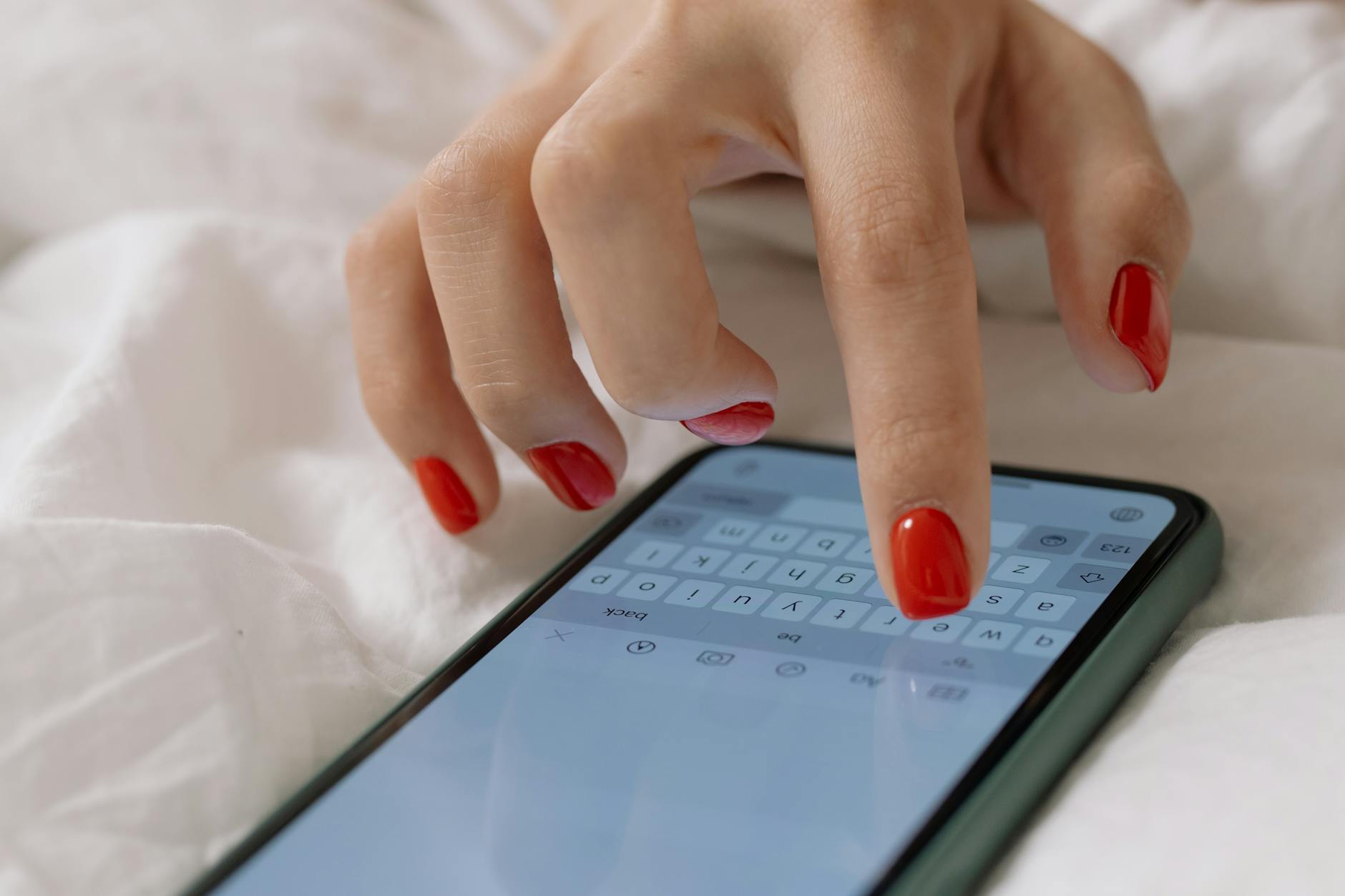
We’ve all been there: you receive a text, your heart drops, and a whirlwind of emotion engulfs you. Was that sarcastic? Are they upset? Misreading texts is a modern-day dilemma that feels all too personal. It can leave you questioning not only your relationships but your own instincts.
Isn’t it frustrating when a simple ‘K’ sends you spiraling? In the age of digital communication, understanding the subtle nuances of texts has become an essential skill. And guess what? You’re not alone in this struggle.
Why Misreading Texts Is Getting So Much Attention Right Now
Our increasing reliance on digital communication has brought this topic to the forefront. According to a 2023 study published in the Journal of Digital Communication, over 70% of people have experienced anxiety from misinterpreted messages. The rise of texting as a primary form of interaction, combined with our emotional investment in these conversations, makes this an urgent issue.
Experts at the University of Southern California point to the ambiguity of written words as a key factor. Without vocal tone or body language, texts are open to interpretation, leading to misunderstandings.
Texting Anxiety — What Most People Miss
Here’s a twist: misreading texts can actually reveal more about you than the sender. It’s a mirror reflecting your own insecurities and assumptions. Recognizing this can be empowering. Next time you feel a twinge of anxiety from a message, pause and ask yourself: is this about them, or is it about me?
To start seeing texts more clearly, try this: before reacting, take a deep breath and imagine how the message might sound in a positive tone. This simple shift can change the entire narrative.
How to Actually Decode Messages Better
- Pause before you reply: Give yourself a moment to process the message without jumping to conclusions.
- Clarify when in doubt: A simple follow-up question can save a lot of misunderstandings.
- Use emojis wisely: A well-placed emoji can convey tone and emotion, reducing ambiguity.
- Seek context: Consider the sender’s usual communication Style and past interactions.
- Try text therapy apps: Platforms like BetterHelp can offer insights into your communication patterns and emotional responses.
The Mistake That Holds Most People Back
Most people rush to reply, thinking a speedy response shows attentiveness. But this often leads to misinterpretation. Quick reactions are based on initial emotional responses, which can distort the intended message. Slowing down allows you to process the text more objectively, preventing impulsive replies that could escalate misunderstandings.
Here’s What Research Actually Shows
Research from the University of Texas reveals that text-based miscommunications can increase stress levels and affect relationship satisfaction. A meta-analysis of over 50 studies found that lack of non-verbal cues in text communication is a significant contributor to these issues. Dr. Jane Martinez, a communication psychologist, explains that taking a moment to breathe before responding can help recalibrate your emotional reaction.
So next time a text leaves you puzzled, remember: it’s not just about interpreting words, but also about understanding your own emotional landscape. As you become more aware of how you read between the lines, you’ll find that the digital world is less daunting and more navigable. Are you ready to change the way you see texting, turning it from a source of anxiety into a tool for connection?