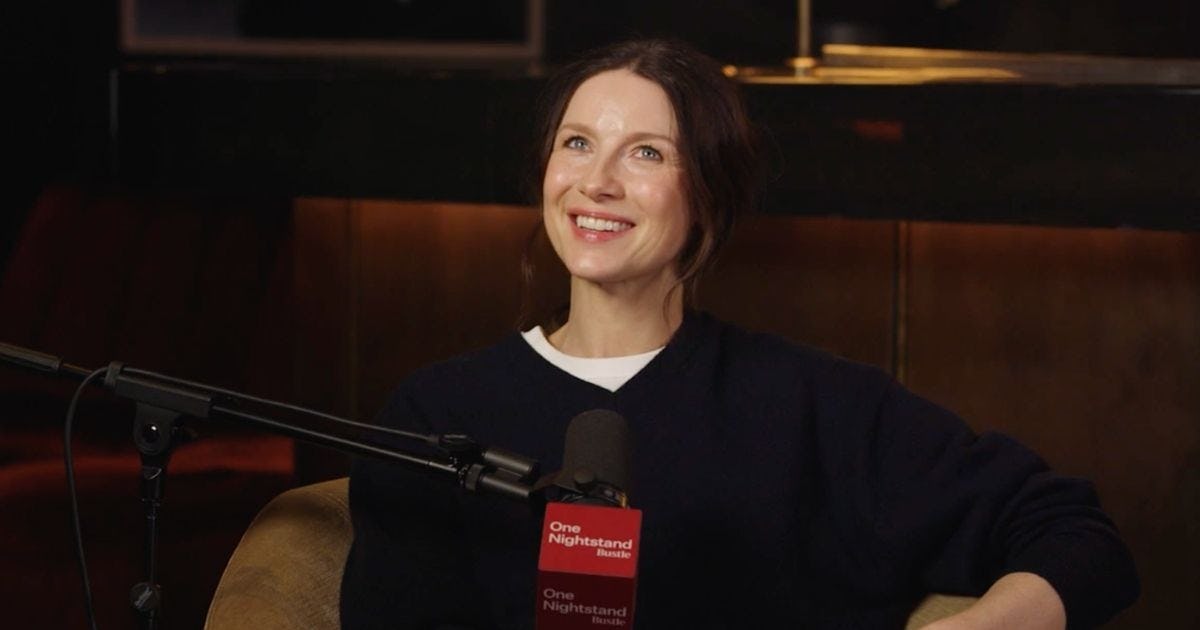
Ever had one of those moments as a parent where you feel like you’ve lost part of yourself—but you can’t even put words to it? Caitriona Balfe has been there, and she’s not afraid to talk about it. The Outlander star, who’s spent a decade as the time-traveling Claire Fraser, recently opened up about the grief she felt after becoming a mom. Yes, grief. And what she said will hit home for anyone who’s wrestled with the emotional whiplash of parenting.
“There’s a grieving for the person that you were,” Balfe shared, describing how motherhood reshaped her identity in ways she hadn’t expected. If you’ve ever secretly missed the version of yourself that didn’t have to worry about snack schedules or school drop-offs, you’re not alone—and Caitriona’s honesty Feels like a warm hug and a wake-up call rolled into one.
Why Caitriona Balfe Motherhood Is Getting So Much Attention Right Now
Balfe’s reflections come at a time when more Women are speaking openly about the messy, unfiltered side of motherhood. According to a 2025 study by the Pew Research Center, over 62% of mothers report feelings of identity loss after having children. This isn’t “mom guilt”—it’s deeper, and it’s rarely talked about. Balfe’s candid interview, combined with her book recommendation, “Soldier Sailor” by Claire Kilroy, has sparked discussions about how society views parenting as a joy-filled obligation—and how little room it leaves for mourning your own transformation.
Her take feels especially relevant as conversations about mental health, identity, and parenthood continue to evolve post-pandemic. With more celebrities and influencers sharing the darker side of parenting, Balfe’s words cut through the noise with raw authenticity.
Grief and Growth — What Most People Miss
Here’s the surprising thing about Balfe’s take on motherhood: grief can coexist with gratitude. It’s not either-or. You can be thankful for your child and still long for the freedom you once had. Balfe described reading “Soldier Sailor” as a lightning-bolt moment. The book, which dives into the struggles of early motherhood, put words to emotions she couldn’t articulate herself. “I remember sitting in bed, my heart in my throat, scared by it and scared by the stuff I related to,” she said.
If you’re feeling those pangs of loss—or even guilt for feeling them—Balfe’s advice is simple: find the things that help you make sense of it. Maybe it’s a book like “Soldier Sailor” or journaling about the parts of your identity you miss. And maybe it’s just admitting, without shame, that you’re human.
How to Actually Embrace the Journey
- Find your catharsis: Pick up books like “Soldier Sailor” or “Orbital” (another Balfe rec) to explore the emotional side of motherhood. They’re practically written for those nights when you need to feel seen.
- Talk it out: Don’t bottle up your emotions. Apps like BetterHelp make it easier to connect with a therapist who specializes in parenting struggles. It’s not weakness; it’s self-care.
- Reclaim your “you” time: Schedule self-care activities that remind you of your pre-parent self—whether that’s dancing in your kitchen or diving into your favorite hobbies.
- Build your support crew: Surround yourself with friends who don’t judge the chaos of parenting but ride through it with you. Vulnerability breeds connection.
The Mistake That Holds Most People Back
Here’s where most parents get stuck: thinking that their emotions make them “bad moms” (or dads). Society loves to sell the idea that parenting should be a highlight reel—and if you’re not blissfully happy, you must be doing it wrong. Balfe’s reflections prove the opposite. Feeling grief doesn’t make you ungrateful; it makes you human. The real parenting trap is pretending you’re fine when you’re not—and it backfires spectacularly. You can’t be your best self if you’re ignoring how you actually feel.
The fix? Stop chasing perfection. Instead, aim for honesty, whether that’s admitting you need help or sharing your struggles with other parents who’ve been there. Vulnerability is strength, not failure.
Here’s What Experts Actually Say
Research backs up Balfe’s perspective. According to a 2023 meta-analysis published in the Journal of Parenting Psychology, parents who openly acknowledge feelings of identity loss report higher satisfaction in their relationships and stronger emotional bonds with their children. Dr. Karen Adler, a clinical psychologist specializing in motherhood transitions, explains, “It’s crucial for parents to process the grief that comes with identity shifts. Suppressing these feelings doesn’t erase them—it amplifies them.”
Similarly, studies suggest that connecting with others who’ve been through the same journey can dramatically reduce feelings of isolation. Communities—whether online or in person—play a huge role in helping parents feel seen and supported.
Closing Thoughts
Here’s the thing about Caitriona Balfe’s take on motherhood: it’s not just about parenting. It’s about giving yourself permission to feel everything—joy, fear, sadness, gratitude—and knowing that you’re not alone in it. If her words resonate, maybe it’s time to pick up “Soldier Sailor,” call a friend who gets it, or even schedule that long-overdue therapy session. Motherhood doesn’t erase your identity—it reshapes it. And the grief? It’s just part of the growth.