It’s happened to everyone: you’re scrolling through Instagram, admiring a stunning fashion campaign shot, and suddenly someone ruins the illusion—“You know that model doesn’t even exist, Right?” Cue the existential crisis. AI-generated images have taken the fashion world by storm, and honestly, it feels a bit like the uncanny valley is coming for our closets. But Pamela Anderson wants no part of it.
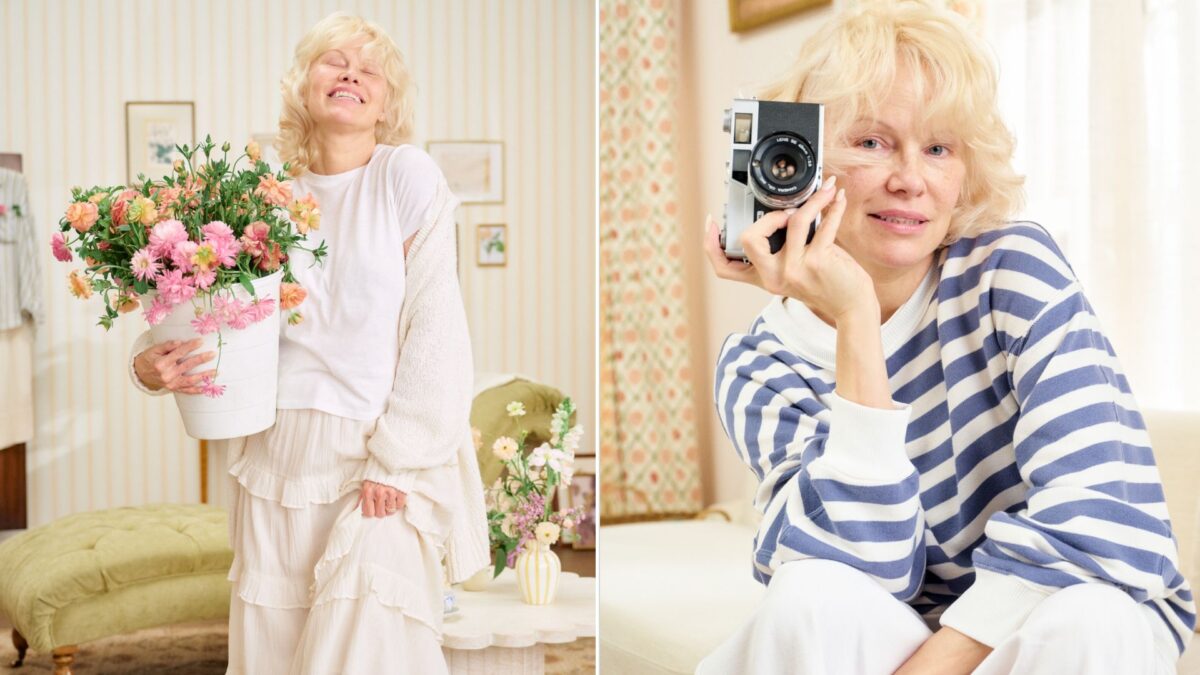
The 90s icon—forever etched in pop culture as the ultimate blonde bombshell—has become the face of Aerie’s latest campaign, and spoiler alert: it’s refreshingly human. Anderson isn’t just modeling elevated basics; she’s making a statement about authenticity in a world where AI fashion is starting to feel eerily dystopian.
Why Pamela Anderson Aerie Campaign Is Getting So Much Attention Right Now
In October 2025, Aerie vowed to keep it real—literally. The brand announced it would never use AI-generated models or bodies in its marketing. Fast forward six months, and they’re proving it with Pamela Anderson, who embodies everything their “100% Aerie Real” ethos stands for.
Anderson’s involvement comes at a time when AI’s grip on the fashion industry is tightening. According to a 2025 report by Cornell University’s Worker Institute, AI tools are being used to manipulate body scans and measurements from real models, allowing companies to profit without re-hiring or compensating them. It’s not just unsettling—it’s exploitative. Big names like Valentino and Gucci have already faced backlash for their AI-generated campaigns, leaving consumers questioning the ethics behind the images they scroll past.
Authenticity Is the New Luxury — What Most People Miss
You might think Anderson’s minimalist Aerie look—linen skirts, striped crewnecks, rain boots—is just another celeb pivot to “quiet luxury.” But her campaign isn’t about chasing trends; it’s about rejecting the artificial. Anderson herself says she feels “freer” embracing her natural beauty, even sans makeup. “It’s so freeing to just love yourself as you are,” she told Marie Claire.
Here’s the kicker: research suggests authenticity isn’t just a vibe—it’s good for your mental health. Studies show comparing yourself to AI-perfect images can lead to body dysmorphia and a warped sense of self-worth. Want a practical tip? Unfollow accounts that promote unattainable beauty standards. Instead, follow brands like Aerie that champion real, unfiltered humans.
How to Actually Embrace Realness in Your Own Style
- Edit your closet: Choose pieces that make you feel like your best self—not the Instagram version of you. Start with basics like Aerie’s linen button-downs or maxi skirts.
- Unplug for clarity: Spend 10 minutes daily in quiet reflection—apps like Calm are great for Headspace to reconnect with yourself.
- Challenge fake perfection: The next time you see an AI-generated image, remind yourself it’s just pixels. Real beauty has flaws—embrace them.
- Support brands with values: Shop from companies like Aerie that prioritize ethical practices and diversity.
The Mistake That Holds Most People Back
Here’s the trap: trying to keep up with AI-level perfection. Most people think they need to compete with heavily retouched or AI-generated images, but spoiler alert—it’s impossible. AI is designed to look flawless, but humans? We’re beautifully imperfect.
Anderson says she’s learned not to spiral into comparisons. Instead, she focuses on creating her own standards of beauty. The common misstep isn’t just comparing your looks—it’s letting curated images dictate your self-worth. But here’s the truth: your “twinkle in the eye,” as Anderson calls it, is something AI can never replicate.
Here’s What Research Actually Shows
Research from Cornell University highlights a growing issue: AI’s use in fashion marketing is harming real models by exploiting their data without proper compensation. A meta-analysis of over 20 studies found that exposure to unrealistic beauty standards—whether AI-generated or heavily edited—correlates with higher rates of anxiety and depression.
Fashion psychologist Dr. Carolyn Mair explains that brands insisting on authenticity, like Aerie, can help counter this trend. “When consumers see real people in campaigns, it fosters connection and self-acceptance,” she says. It’s not just a marketing strategy—it’s a mental health intervention.
The Close
Pamela Anderson isn’t just the face of Aerie’s campaign; she’s the poster child for keeping it real in a world that’s increasingly fake. Her message? Fight the hardest battle—be yourself. AI may know how to generate flawless images, but it’s clueless about the beauty of human imperfections. So why compete with robots when you can just be unapologetically you? The question isn’t whether AI will win—it’s whether you’ll let it.