Let’s be honest — the humble moustache has been through Every conceivable PR rollercoaster. From Tom Selleck’s Magnum PI glory days to the tragic Movember misfires, the ‘stache always seems to hover between iconic and ironic. But now? It’s officially back, and this time, it has a royal endorsement.
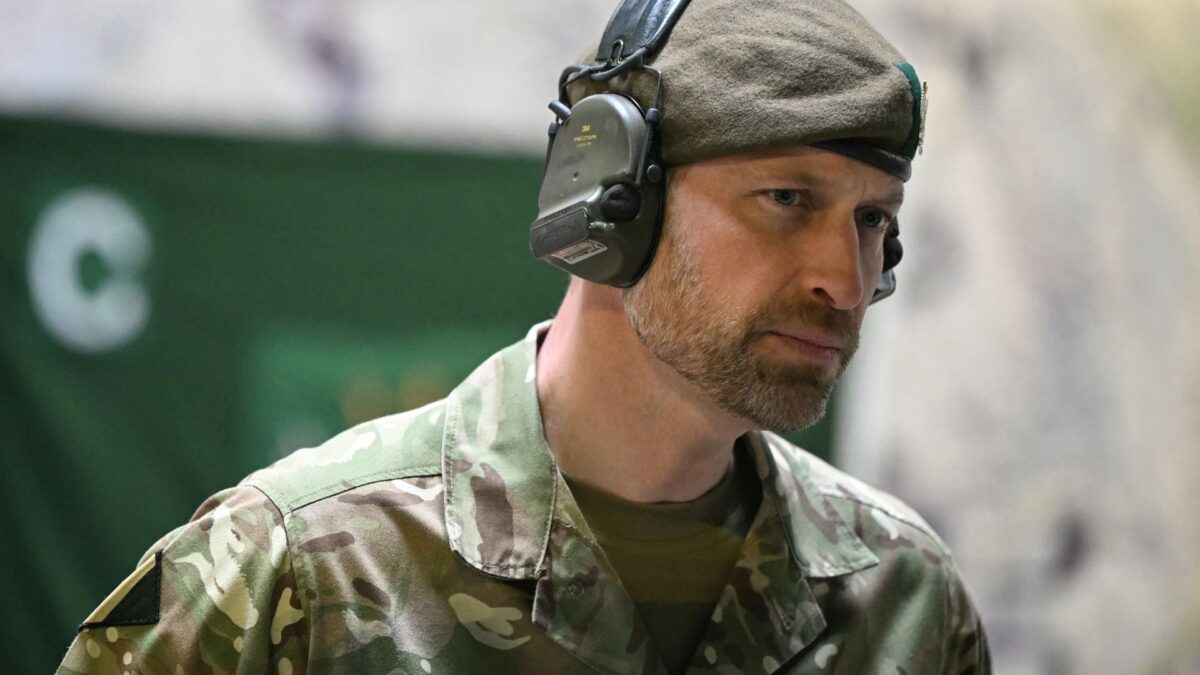
During a recent engagement at a military base in Wiltshire, Prince William, the Prince of Wales himself, hinted that he’s tempted to try out the moustache trend that’s “creeping in now.” Yes, you read that Right. The man who’s been quietly rocking a salt-and-pepper beard for over two years might just ditch it for a bold upper-lip statement. And if the future King of England is even *thinking* about it, you know it’s serious.
Why Moustaches Are Getting So Much Attention Right Now
Blame it on the post-pandemic vibe shift. According to Lydia Spencer-Elliott of The Independent, facial hair trends have evolved into symbols of unapologetic masculinity and confidence. “We’re seeing the resurgence—and celebration—of the full-throttle, unapologetically present moustache,” she says, and it’s hard not to notice. In 2024, Leonardo DiCaprio and Jacob Elordi made headlines with prominent moustaches, and suddenly, that thin line of hair felt less like a hipster punchline and more like a power move.
Even the British Army relaxed its facial hair guidelines at the same time Prince William debuted his beard, allowing servicemen the freedom to express personal style. Coincidence? Maybe. But it’s clear facial hair, especially the moustache, is no longer a relic of bygone eras — it’s a fast-moving style statement.
The Confidence Boost Nobody Talks About
Here’s the secret most people miss: growing a moustache is *not* just about aesthetics. According to grooming experts, it’s also about psychology. Research shows that people associate moustaches with maturity, authority, and strength. A well-kept moustache can subtly shift how others perceive you — and how you perceive yourself.
Feeling tempted to join the movement? Start simple. Use beard grooming scissors to shape your moustache to fit your face structure, keeping it neat but intentional. And don’t skip the skincare! Facial hair traps dirt, so cleansing and moisturizing is non-negotiable.
How to Actually Nail the Moustache Trend
- Find Your Style: From classic pencil-thin to bold ‘70s handlebars, experiment to discover what suits your face shape.
- Invest in Grooming Tools: Consider splurging on high-quality trimmers and products like moustache wax for precision styling.
- Commit to Maintenance: Trim regularly and exfoliate the skin underneath to avoid irritation or ingrown hairs.
- Seek Inspiration: Check out celebs like Jason Momoa or Pedro Pascal for modern takes on moustache styles.
- Enhance the Look: Apps like Headspace offer Headspace sessions that can build confidence as you embrace a daring new look.
The Mistake That Holds Most People Back
The biggest pitfall? Going all-in without committing to upkeep. A poorly groomed moustache can quickly veer into “unintentional mad scientist” territory. Many people think growing facial hair is a one-and-done decision, but here’s the truth: it’s a lifestyle. Neglecting your moustache’s appearance makes you look sloppy, not stylish. If you’re diving into this trend, be ready to dedicate time weekly to grooming and shaping.
Here’s What Experts Actually Say
According to grooming specialists, the moustache trend’s rise is backed by cultural psychology and historical symbolism. Dr. David Perrett, a psychologist specializing in human attractiveness, explains: “Facial hair, particularly moustaches, evoke perceptions of dominance and maturity, which can be appealing in leadership roles.” A study from the University of Queensland further found that people judged moustached men as more confident and trustworthy.
Meanwhile, fashion analysts point to the cyclical nature of trends. What’s old — like the ‘80s moustache — always becomes new again. Right now, those retro vibes are resonating with Gen Z and millennials alike.
And let’s not forget the growing push for individuality post-pandemic. As Spencer-Elliott concludes, embracing such a bold look signals a deliberate move toward self-expression.
So, Will Prince William Actually Do It?
While he hasn’t confirmed the royal ‘stache transformation, the fact that he’s even talking about it in public feels significant. If the Prince of Wales does debut a moustache, it could tip the trend from niche to mainstream faster than you can say “Movember.”
The question is: Are we ready for a royal moustache moment?