Introduction: Do Wrinkle Patches Really Work?
Wrinkle patches have become a trendy solution for tackling fine lines and wrinkles without invasive treatments. Whether it’s forehead stickers or advanced hydrogel masks, these products promise visible results overnight or with consistent use. In this review, we explore the 9 Best Wrinkle Patches of 2026, assessing their features, effectiveness, and real-world usability.

What Are Wrinkle Patches?
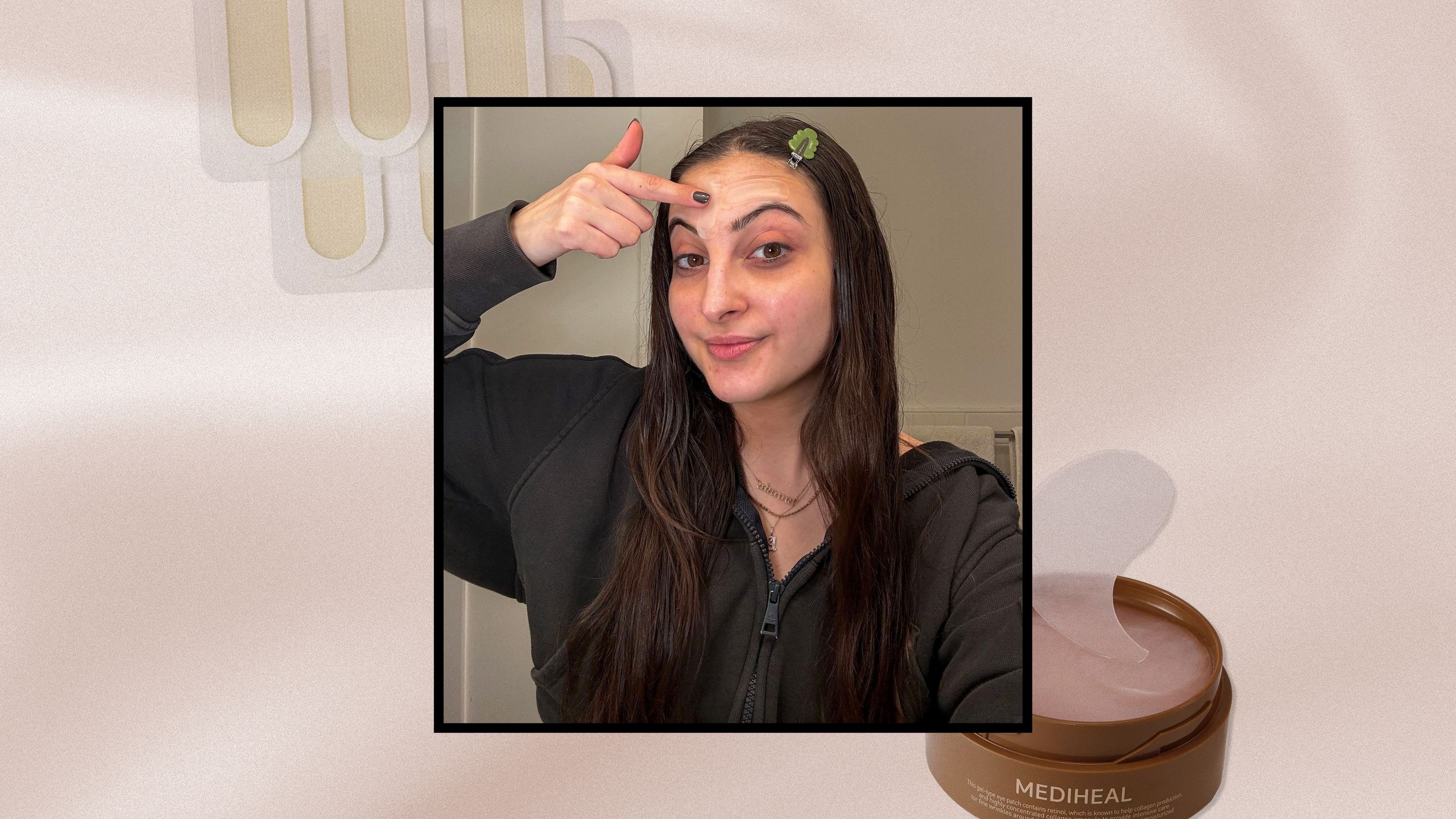
Wrinkle patches are adhesive skincare products designed to reduce fine lines by smoothing the skin and locking in moisture. They typically use materials like silicone, hydrogel, or medical-grade adhesives to create a barrier that promotes hydration and stimulates collagen production. These patches are popular for targeting problem areas such as the forehead, crow’s feet, and smile lines.
Key Features of the Top 9 Wrinkle Patches
Here’s an in-depth look at the standout features of these wrinkle patches:
- Silicone-based patches: Many options use medical-grade silicone to physically smooth wrinkles and support skin elasticity.
- Hydrogel technology: Hydrogel patches deliver active ingredients like hyaluronic acid and peptides directly to the skin for hydration and plumping.
- Reusable designs: Some patches are reusable, making them more eco-friendly and cost-effective over time.
- Targeted application: Products are designed for specific areas, such as under-eye patches, forehead stickers, or smile line correctors.
- Overnight use: Many patches are designed for wear during sleep, offering convenience for busy lifestyles.
Effectiveness: What Users Are Saying
Feedback from users has been overwhelmingly positive for certain patches, especially those made with silicone or infused with active ingredients like retinol. Many report visible improvements in fine lines after consistent use, especially when patches are combined with a robust skincare routine.
However, some users note that the results are temporary, with fine lines returning once the patches are no longer in use. This highlights the importance of integrating other anti-aging strategies alongside these products.
Pros and Cons of Wrinkle Patches
Pros
- Non-invasive solution for wrinkles
- Affordable compared to clinical treatments
- Convenient for overnight use
- Reusable options reduce waste
Cons
- Temporary results for some products
- May not work well for deeper wrinkles
- Adhesive can irritate sensitive skin
- Requires consistent use for best results
Who Are These Patches Best Suited For?
Wrinkle patches are ideal for individuals looking for a quick, non-invasive way to reduce the appearance of fine lines. They’re particularly effective for those in their late 20s to early 40s who are beginning to notice signs of aging but don’t yet require intensive treatments. If you have sensitive skin, silicone-based patches may be a better option, as they are less likely to irritate.
Limitations and Drawbacks
While wrinkle patches are effective for smoothing fine lines in the short term, they don’t address the root causes of aging, such as collagen loss or environmental damage. Additionally, deeper wrinkles may require more advanced treatments like fillers or laser therapy for noticeable improvement.
Another limitation is the potential for skin irritation, especially if the adhesive is too strong or left on for extended periods. Users with sensitive skin should patch-test first to avoid adverse reactions.
Final Verdict: Are Wrinkle Patches Worth It?
Overall, wrinkle patches are a practical and affordable solution for tackling fine lines, especially for those seeking non-invasive options. While they won’t replace professional treatments for deeper wrinkles, they can be a valuable addition to your skincare routine. For best results, pair these patches with a moisturizer or serum containing active ingredients like retinol or hyaluronic acid.
If you’re curious about trying wrinkle patches, the 9 Best Wrinkle Patches reviewed here offer a variety of options to suit different skin types and needs.