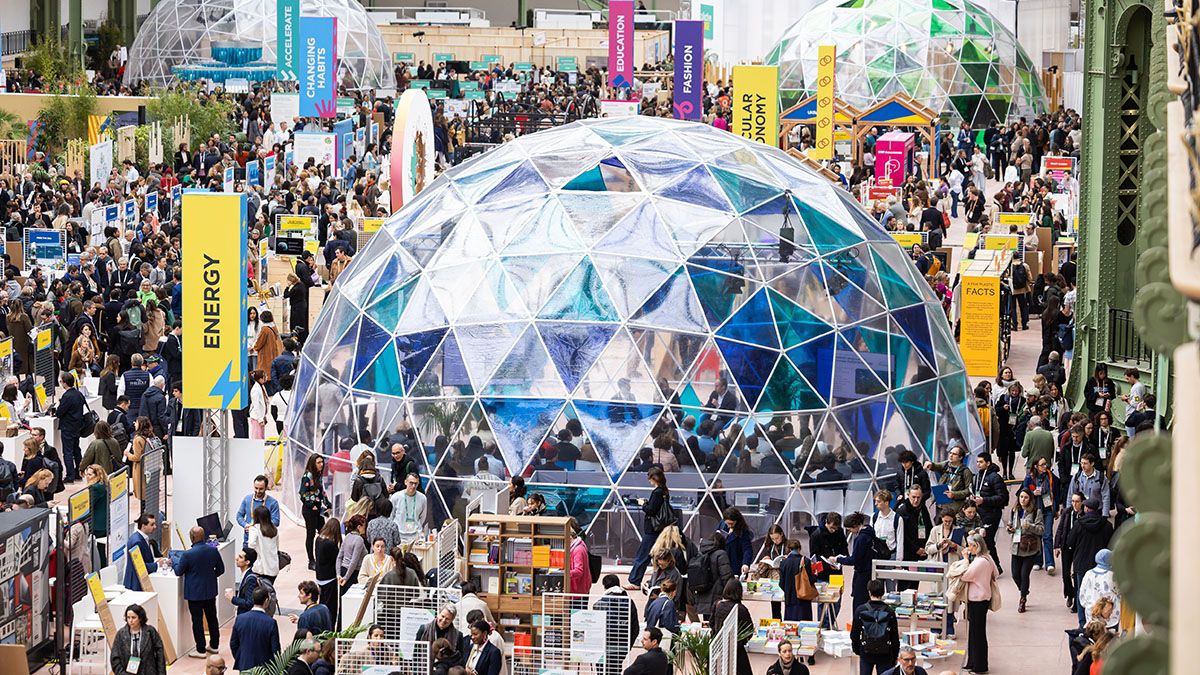
Have you ever looked at your closet and wondered: can Fashion really save the planet? Turns out, the answer might be yes—but only if the industry gets its act together. At this year’s ChangeNow conference in Paris, the world’s largest climate solutions expo, fashion insiders dropped some bombshells about the future of sustainability. Spoiler alert: the solutions already exist—but scaling them is the real problem.
Why Fashion Climate Solutions Are Getting So Much Attention Right Now
According to the ChangeNow summit, attended by 40,000 sustainability advocates, the climate crisis isn’t waiting for fashion to catch up. From banana crop waste being spun into leather alternatives to refillable perfume bottles making waves at L’Oréal’s booth, the innovation is here. But the political landscape in the US and Europe is throwing shade at sustainability efforts, with corporate engagement dwindling and funding for startups drying up. Experts like Paul Polman, co-chair of The Fashion Pact, didn’t hold back: “We have enough money, but we’re not putting it in the right direction.” Yikes.
The Surprising Benefit — What Most People Miss
Here’s the tea: sustainable fashion isn’t just about saving the planet—it’s about saving your wallet too. Leather alternatives made from banana crop waste, algae, and hemp are inching closer to price parity with animal leather. That means eco-friendly choices don’t have to break the bank anymore. Plus, innovations like refillable products and upcycled accessories aren’t just trendy; they make long-term financial sense. Want to start small? Swap your plastic glitter (seriously, it’s in everything) for nature-based pigments from brands like Sparxell.
How to Actually Embrace Fashion Climate Solutions
- Go on an upcycling spree: Brands like Patagonia-supported Artefact are turning damaged performance fabrics into chic bags and accessories. Look for similar options when shopping.
- Try refillable products: L’Oréal’s refillable perfume bottles are game-changers—and they’re just the start. Seek out refillable beauty products to cut waste.
- Support leather alternatives: Banana crop waste leather from startups like Banofi is eco-friendly and looks luxe. Test drive these new materials in your next wardrobe upgrade.
- Educate yourself: Tools like the Calm app can help you explore mindful consumption and Calm tied to sustainable living.
The Mistake That Holds Most People Back
Most people assume eco-friendly fashion is either too expensive or too niche to matter. Wrong. The real trap is treating sustainability as a trend rather than a lifestyle shift. Shopping a single “green” collection won’t fix the problem. What backfires is the idea that individual action alone can solve systemic issues. It’s about pressuring brands to scale solutions—because, as ChangeNow proved, the solutions exist. Your job? Reward the brands that are actually Doing the work.
Here’s What Experts Actually Show
Research from ChangeNow highlighted key innovations: banana crop waste leather, algae-based textiles, and refillable beauty products. A Plastic Planet’s co-founder Sian Sutherland emphasized the human health crisis tied to plastic pollution: “It’s not just a pollution problem anymore—it’s inside us.” This urgency is shifting investor priorities, with brands like Kering spotlighting startups incubated in its Material Innovation Lab, including 3D-weaving company Weffan and silk protein startup AM Silk.
The kicker? Former Unilever CEO Paul Polman says leadership—not tech or money—is what’s missing. “We have the tools to solve 98% of these problems,” he said. “But inertia is killing us.”
Renewable energy, regenerative agriculture, and ocean conservation all tie back to fashion’s future. The question is: will the industry step up?
The Close
If you’re waiting for fashion to magically fix itself, don’t. The solutions showcased at ChangeNow are closer than ever, but they need momentum—and that starts with us. What’s hanging in your closet right now could be a climate liability, or it could be a catalyst for change. The next time you shop, ask yourself: are you funding progress or fueling inertia? Your wardrobe — and the planet — depend on it.