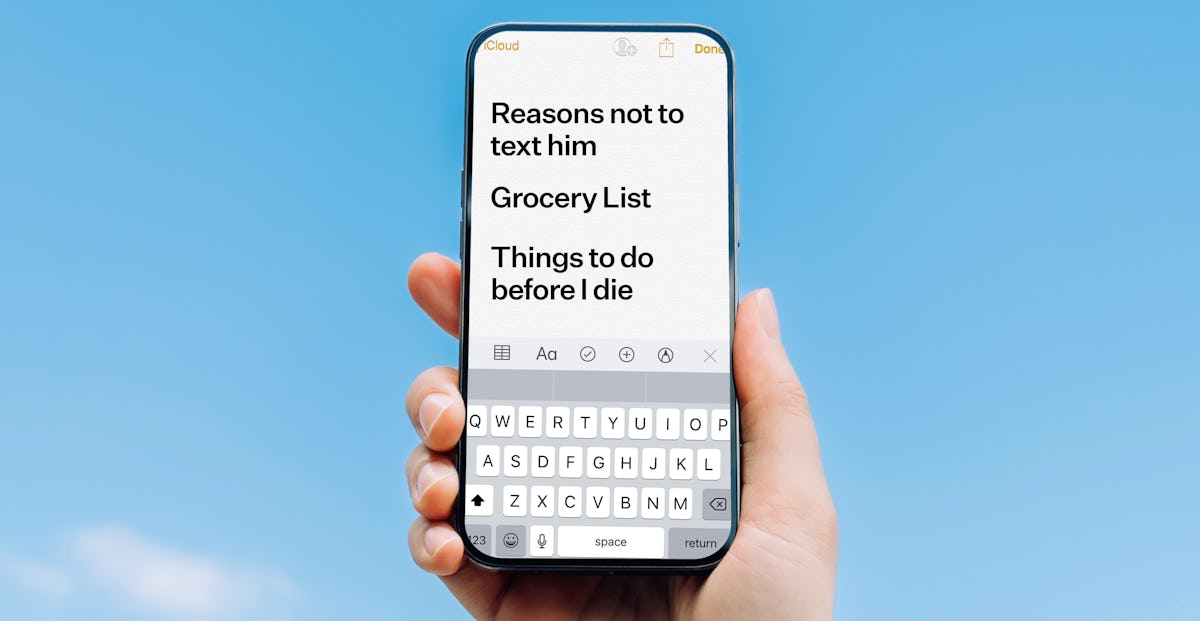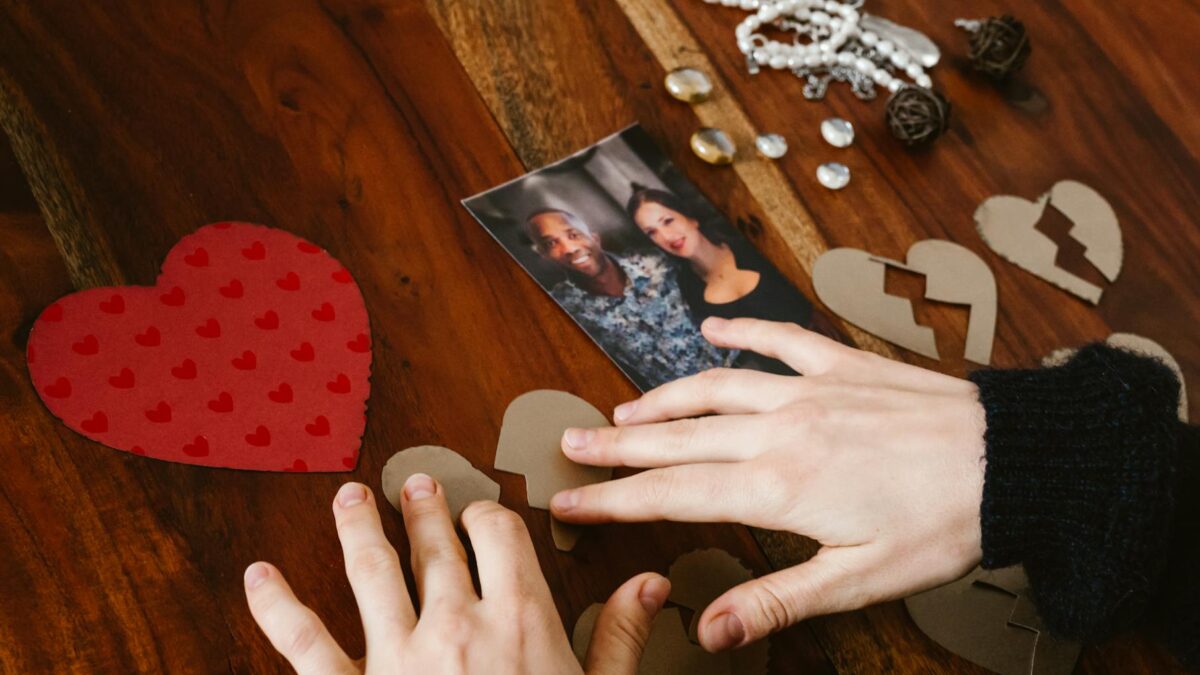
You swore you were fine. Then, boom—your ex’s favorite song comes on, and suddenly, you’re spiraling. Breakups have a way of hitting you when you least expect it, and the emotional whiplash can be brutal. One moment you’re ready to delete their number for good, and the next, you’re wondering if texting them is Really *that* bad. Spoiler: it is.
So, how do you move on after a breakup without losing your mind? Clinical psychologist Dr. Sabrina Romanoff says that the heartbreak you’re feeling isn’t just emotional—it’s physical too. “Breakups activate the same neural pathways as physical pain,” she explains. It’s no wonder that heartache can feel like being punched in the chest. But don’t worry, you don’t have to stay stuck in the pain forever. Here’s how to move forward like the main character you are.
Why Moving On After a Breakup Is Getting So Much Attention Right Now
Breakups are trending—not in a cute way, but in a “how do people survive this?” way. New research is diving into the psychology behind the chaos. According to Dr. Romanoff, the emotional rollercoaster of a breakup is tied to withdrawal symptoms. Your brain is missing its daily dose of feel-good chemicals like dopamine and oxytocin, which were triggered by your relationship. A heartbreak hangover, if you will.
What’s more, a 2023 study from the American Psychological Association found that breakups often trigger a deeper identity crisis, especially for those with insecure attachment styles. If your sense of self was wrapped up in your ex, the emotional fallout can hit harder than a bad text breakup. But here’s the good news: understanding the science behind your pain is the first step toward healing.
Secret #1: Heartbreak Hurts, But It’s Weirdly Good for You
Here’s the surprise twist: breakups can be the glow-up moment you didn’t know you needed. Losing someone forces you to reevaluate your life, your choices, and—most importantly—yourself. “When a relationship ends, you’re given the chance to reconnect with who you are outside of it,” says Dr. Romanoff. Think of it as emotional Spring cleaning.
So, what does reconnecting with yourself look like? Start small. Take yourself on solo coffee dates, pick up that hobby you’ve been putting off, or finally make the big career move you’ve been scared to tackle. Bonus: Bumble lets you focus on meeting people who match your new, upgraded vibe (when you’re ready).
Secret #2: How to Actually Move On After a Breakup
- Feel your feelings: Don’t pretend you’re fine when you’re not. Journal, scream into a pillow, cry on your best friend’s shoulder—whatever it takes to process those emotions.
- Set boundaries: Block their number, mute their socials, and delete the photos. Out of sight, out of mind is a real thing, and it works.
- Go “no contact”: Dr. Romanoff says stepping away completely helps break the cycle of attachment. Just rip off the Band-Aid.
- Reinvest in you: Build new routines, start a hobby, or even take up BetterHelp with BetterHelp to help unpack the deeper layers of heartbreak.
- Lean on your squad: Friends, family, or even a therapist can remind you that you’re a badass who deserves better.
Secret #3: The Mistake That Holds Most People Back
Let’s talk traps. The biggest mistake people make post-breakup? Romanticizing the past. You start replaying all the cute moments and somehow forget the red flags that were basically waving in your face. This can lead you straight back into the same toxic patterns—or worse, into your ex’s DMs.
Dr. Romanoff warns that rushing the healing process is another common misstep. Jumping into hookups or a new relationship might seem like a good distraction, but it usually backfires. Instead, take your time and focus on rebuilding your emotional foundation. Healing isn’t about replacing your ex; it’s about choosing you.
Here’s What the Research Actually Shows
Research backs up what your gut already knows: breakups hurt, but they’re survivable. A 2023 meta-analysis by the Journal of Social and Personal Relationships found that recovery depends largely on how you process the loss. People who actively work through their emotions—whether through journaling, therapy, or self-reflection—recover faster and build stronger emotional resilience.
Dr. Romanoff also emphasizes the importance of attachment styles. If you have an insecure attachment style, you could struggle more with letting go. But recognizing this pattern is the first step toward breaking it. Therapy, like online sessions with BetterHelp, can help unpack these deeper layers and set you up for healthier future relationships.
Breakups are brutal, but they’re also a reset button for your life. Let yourself grieve, set boundaries, and, above all, choose yourself. You’ll come out the other side stronger, wiser, and ready for whatever’s next. So, what’s your next move?