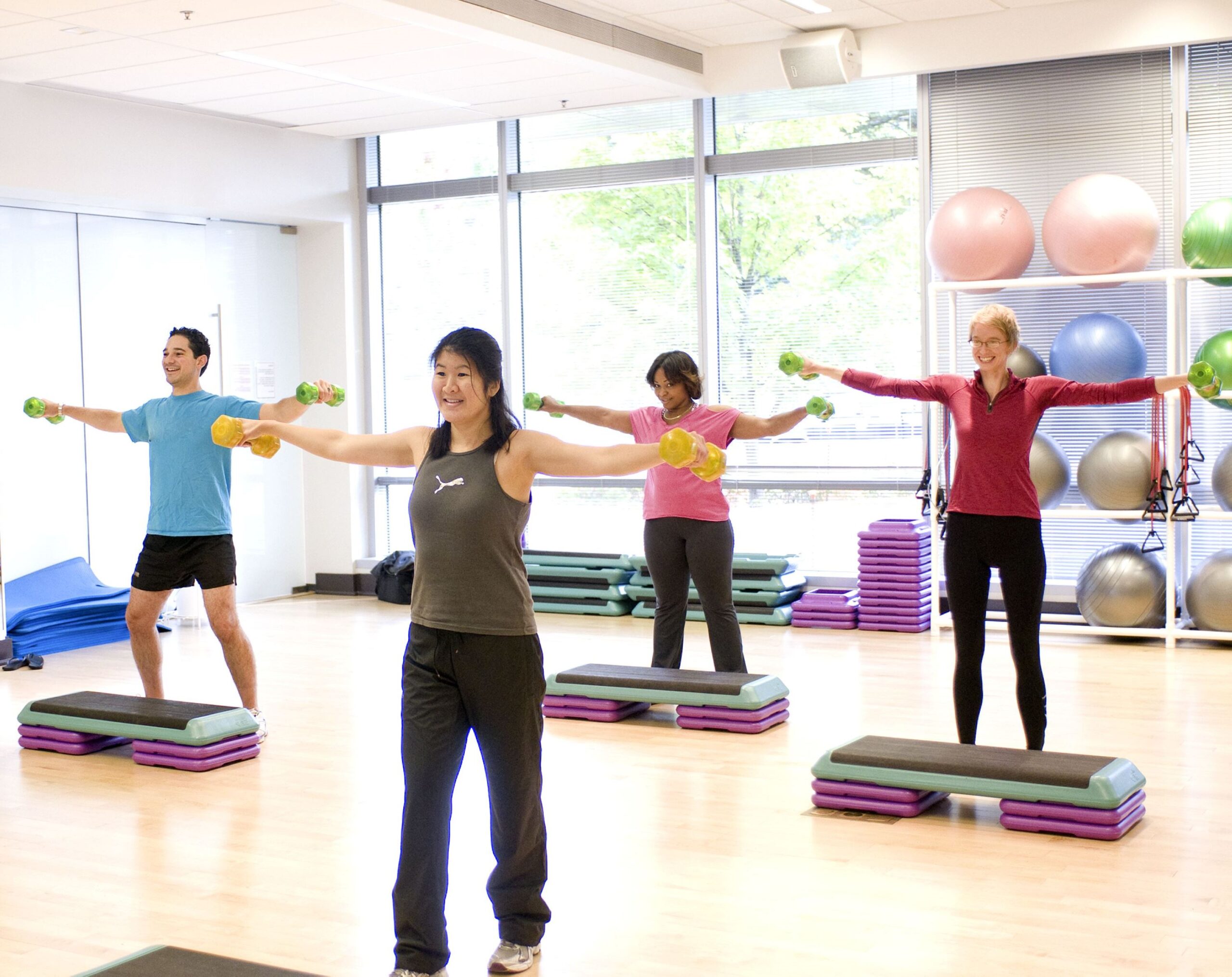
A beginner gym routine should make you feel more capable by the end of the week, not more intimidated by the idea of working out. That is why dumbbells are such a good starting point. They let you learn movement patterns, build confidence, and get stronger without needing a complicated training split.
If your goal is to feel toned, more stable, and more physically confident, a three-day dumbbell routine is enough to begin with. You do not need to live in the gym to get results from it.
What to focus on in the first month
Think in terms of movement categories rather than random exercises. Each workout should include a lower-body push, a Hinge or glute movement, an upper-body push, an upper-body pull, and a core finisher. That structure keeps the sessions balanced and prevents the common beginner mistake of doing only the movements that already feel easy.
For the first four weeks, consistency matters more than weight. Choose dumbbells that challenge the last two reps without wrecking your form.
A simple three-day split
On day one, do goblet squats, dumbbell Romanian deadlifts, incline push-ups or dumbbell floor press, and one-arm rows. Finish with dead bugs or a short plank hold.
On day two, focus on reverse lunges, glute bridges, seated shoulder press, and chest-supported rows if your gym has a bench. End with a farmer carry or a slow march in place while holding moderate dumbbells.
On day three, return to squats and hinges, then add step-ups, dumbbell presses, and rows again. Repetition is not boring at this stage. Repetition is how skill gets built.
How hard should it feel?
You should feel worked, not wrecked. If every session leaves you so sore that you dread the next one, your routine is too aggressive. A good beginner plan leaves room for recovery and for ordinary life.
Rest for sixty to ninety seconds between sets. Start with three sets of eight to ten reps for the main lifts. When that feels manageable, add weight before you add endless extra exercises.
The mistakes that slow progress down
Most people either change the plan too often or avoid progression entirely. Keep the routine stable long enough to measure improvement. At the same time, do not stay at the same easy weight forever. Strength comes from gradual demand, not from repeating a comfortable circuit for months.
The other mistake is ignoring form. Move slowly enough that you can tell where the exercise is working. Your body learns best when the reps are controlled.
How to make the gym habit stick
Treat your sessions like appointments. Put them on fixed days, keep your workout simple enough to remember, and leave the gym while you still feel successful. Momentum is built when the routine feels repeatable.
Three sessions a week is strong enough to change your body and gentle enough to fit a real schedule. That is why it works.
For a fuller movement week, pair this routine with our walking and yoga tutorials so your training supports strength, recovery, and consistency at the same time.